
Five parts of Kuna covered below
-
Historic downtown
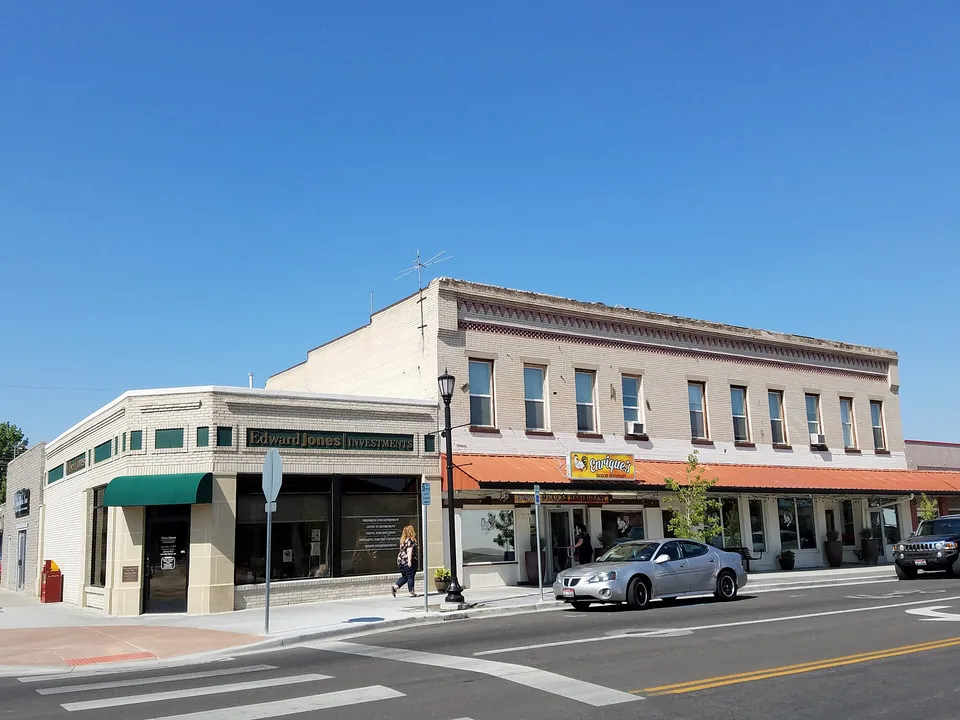
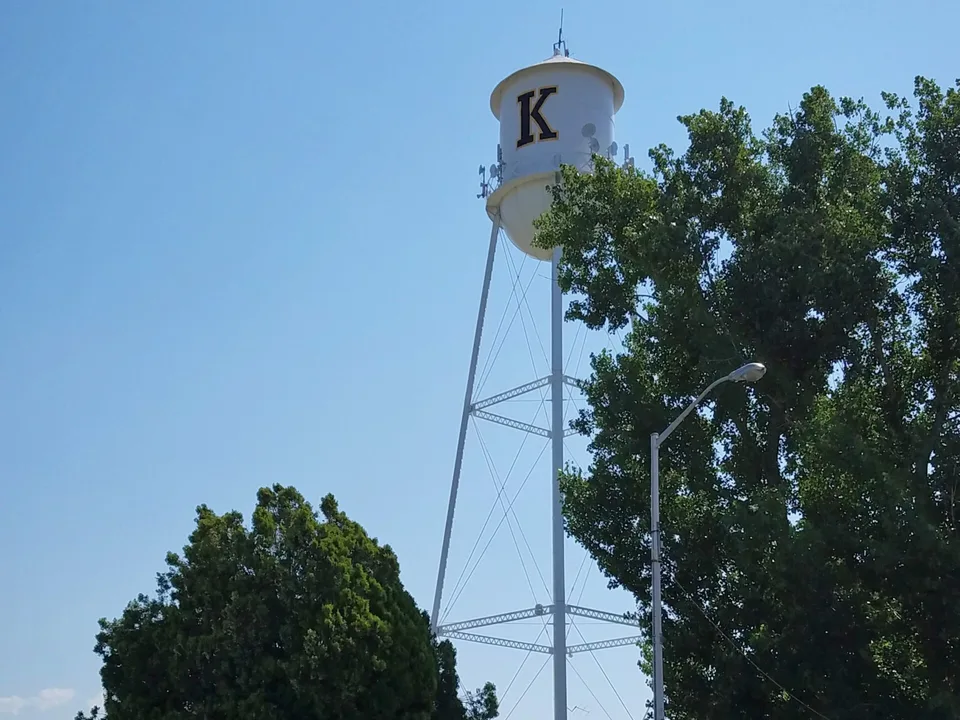
Main Street by the railroad, the 1916 bank, the 1910 Mercantile, the water tower and the 1947 Old Gymnasium.
-
Indian Creek corridor
The greenbelt, disc golf, the splash pad, Bernie Fisher Park and Nicholson Park’s fishing pond.
-
Newer subdivisions
Former farm and sage ground, young yards and city neighborhood parks.
-
Farm, orchard and acreage edges
Outbuildings, irrigation laterals and the New York Canal.
-
The dry southern edge
Toward Swan Falls Road, the Kuna Caves and the Birds of Prey area.
Using these area notes
Each area is described from public City of Kuna and Ada County history and parks materials, plus Census counts. Landmarks are used to place you on the map. A pest that shows up in one section of town can turn up in any other, so treat these notes as likely patterns. If you decide you want professional help, the checklist for picking a pest company works the same in every corner of Kuna.
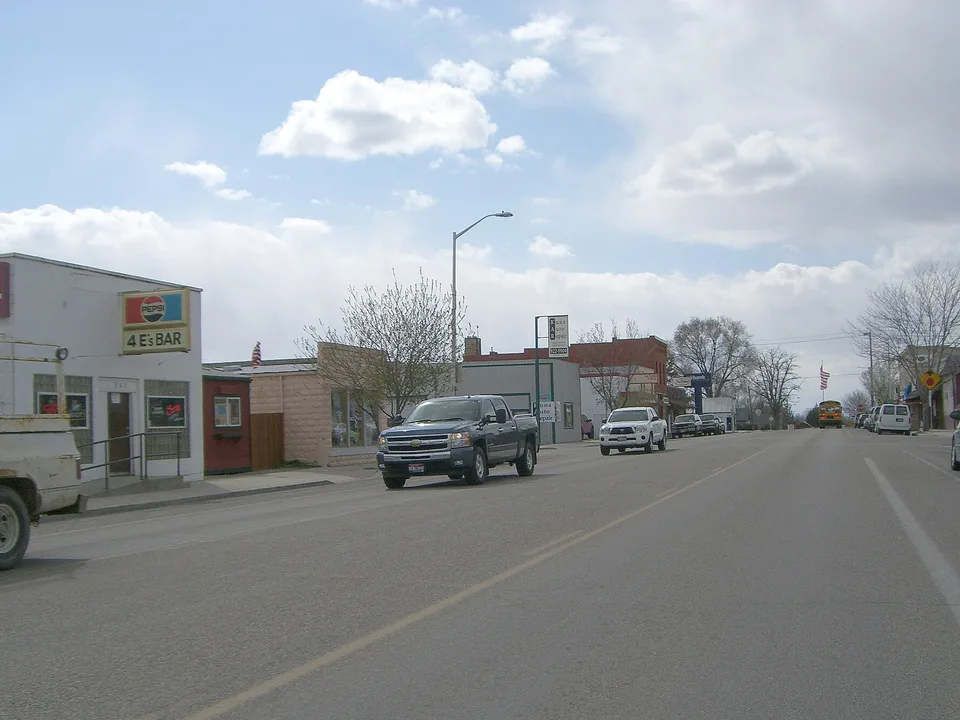
Area 1 of 5
Historic Downtown and Main Street
The setting. Kuna began as an Oregon Short Line construction camp in 1882, and the oldest part of town still sits by the tracks. On Main Street, the Kuna State Bank building opened in 1916 on a corner beside the two-story Kuna Mercantile, built in 1910. The water tower is part of a water and electric system started in 1916. A few blocks away, the barrel-roof Old Gymnasium from 1947 has a large KUNA sign out front. Older houses fill the surrounding blocks, many with mature trees, detached garages and decades of settling around their foundations.
Common pest patterns. Aging brick and wood framing leave small openings that mice use, especially once fall nights cool. Pantry moths and beetles can travel between kitchens and storage in older homes and shops. Spiders tend to collect in garages, crawlspaces and around utility boxes, and cluster flies may gather in sunny upper rooms in autumn. Rats can follow the rail line, alleys and trash areas.
Area 2 of 5
The Indian Creek Corridor and Downtown Parks
The setting. Indian Creek winds through the middle of Kuna. It is a seasonal creek that now carries irrigation water from the New York Canal, which draws from the Boise River Diversion Dam, and residents float and swim in it. The Indian Creek Greenbelt follows it through town with a disc golf course and a splash pad. Bernie Fisher Park downtown has a playground, bandshell, gazebo and open lawn, and Nicholson Park adds a fishing pond and covered picnic areas. During Kuna Days, rubber ducks race down the creek.
Common pest patterns. This is the greenest, dampest ground in town for much of the summer. Homes backing onto the creek or the parks may see mosquitoes near slow or standing water, along with millipedes and pill bugs drifting in from moist turf and planting beds. Picnic shelters, trash cans and summer events leave food scraps that draw ants and rats. Ants trail along sidewalks and slab edges, and mice can move along the green strip toward nearby yards.
Area 3 of 5
Newer Subdivisions on Former Farm and Sage Ground
The setting. Kuna grew from 15,210 people in the 2010 Census to 24,011 in 2020, and much of that growth landed on land that was recently farmed or covered in sage. The city lists neighborhood parks such as Arbor Ridge, Butler, Crimson Point, Sadie Creek and Winchester, one of which has a fenced dog park. Many streets here have young trees, fresh sod and new mulch beds, and some backyard fences still face working fields or open lots.
Common pest patterns. Grading and construction can push mice out of nearby ground and toward new garages. Crickets often show up around porch lights and garage doors in late summer, and spiders settle quickly into new eaves and garage corners. Once lawns are watered heavily, ants and moisture-loving bugs can follow the irrigation right up to the foundation. A brand-new home still has gaps, just in different places than an old one.
Area 4 of 5
Farm, Orchard and Acreage Edges
The setting. Fields, orchards, wineries, pumpkin patches and corn mazes still surround Kuna. Before the New York Canal opened in 1909, this was sage desert. Irrigation water now runs through laterals along property lines from spring until it is shut off in fall. Acreage homes here often come with barns, shops, sheds, hay or feed storage and equipment parked for the season.
Common pest patterns. Outbuildings give mice and rats steady shelter, and stored feed or grain gives them food. When harvest finishes, nights cool and the laterals go dry, rodents and crickets from the fields often head for the nearest building. Spiders settle into quiet corners of sheds and shops. Ditch banks can also hold rodent burrows close to the house.
Area 5 of 5
The Dry Southern Edge Toward Swan Falls Road
The setting. South of town, irrigated yards give way to open sagebrush. Swan Falls Road heads toward the Snake River Canyon, passing the Kuna Caves lava tube and the Morley Nelson Snake River Birds of Prey National Conservation Area, home to North America’s densest population of nesting raptors. That is why the city calls itself the “Gateway to the Birds of Prey.” Homes along this edge often have a watered lawn on one side of the fence and dry, rocky ground on the other.
Common pest patterns. In summer, watered yards are a magnet for anything living in the dry ground next door. Crickets and spiders, including black widows in woodpiles, rock borders and window wells, are common here. Mice move in from the sage, especially as weather turns cold. Ants nest in sunny, sandy soil near patios and walkways.
On this edge, the line between landscaped yard and open desert can be just a few feet wide. Pests do not see a property line, so homes that border open ground usually notice seasonal changes first.
What every area shares
Location shapes the details, not the basics
Your setting changes which pests are most likely and where they come in. Shelter, moisture and food are what draw them in every part of Kuna. A 1910s downtown house and a new home by an open field can both end up with mice or ant trails. The difference is usually the entry point: a gap at an older sill plate, a lateral running behind the fence, or a fresh opening where a utility line enters a new wall. Use these notes to narrow down what to watch for, not to decide that a pest can’t reach your street.