
Central District Health serves Ada County, including Kuna, and publishes guidance on rats and rodent prevention for the county. Rat droppings, urine, bites and the fleas rats carry can all spread illness. Fresh signs around a home are a health matter, not just a cleanup chore. Rats also draw on food, water and shelter across a whole block, so a licensed professional can help trace how they reach your house.
How Kuna’s water and open ground suit rats
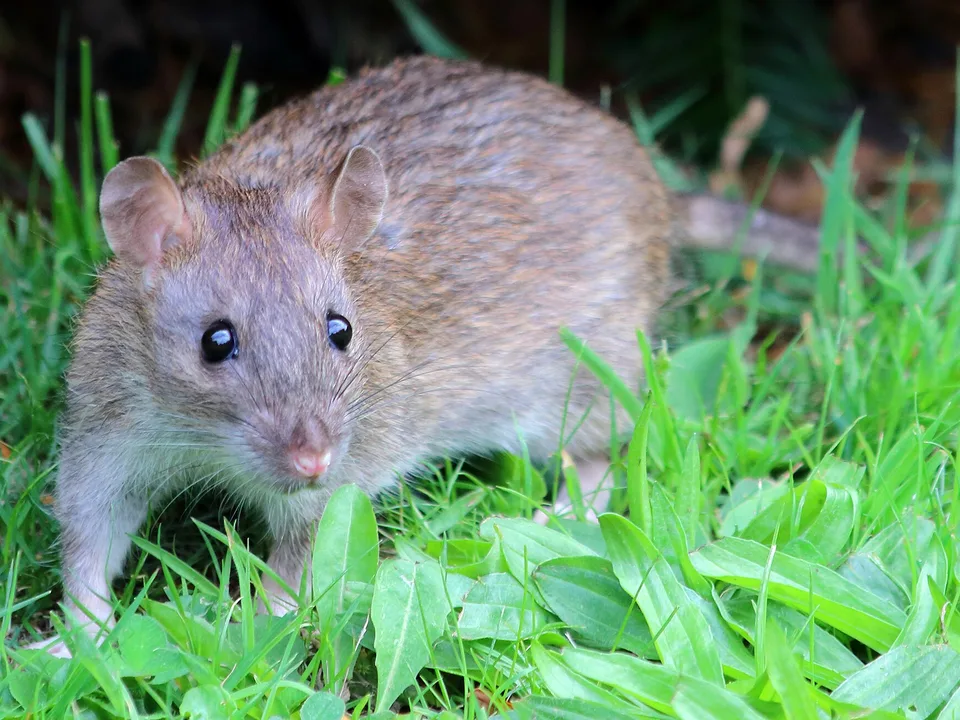
Norway rats dig. They favor soft, moist soil with cover close by. In Kuna that often means canal laterals, the banks along Indian Creek and the greenbelt, irrigated lawns, and fence lines between new homes and neighboring fields. Roof rats climb, so they tend to travel along fences, trees and utility lines toward rooflines and attics.
A few other local patterns matter:
- Acreage and outbuildings. Barns, shops, sheds, stored feed and grain give rodents shelter and steady food.
- Older downtown blocks. Historic brick buildings near Main Street and the railroad can have aging gaps around foundations and utility entries.
- Fall changes. Harvest, colder nights and the irrigation shutoff can push rodents from fields and ditch banks toward garages and homes.
- Gatherings. Kuna Days and other busy park weekends can leave food waste behind. Tidy bins after events limit what rodents find.
The map below is centered on Kuna and plots anonymous reports from neighbors across the valley. It is a civic science effort, not a full count, but it gives a more local view than a general description.
Community rat sighting map, centered on Kuna
This is a community map of anonymous, privacy-shifted rat sightings from the Treasure Valley Pied Piper civic science project, centered on Kuna. Locations are shifted slightly to protect privacy. Zoom out to compare Kuna with the wider valley, or zoom in to check the area around your neighborhood.
Telling the three rats apart
| Norway rat | Roof rat | Pack rat (bushy-tailed woodrat) | |
|---|---|---|---|
| Origin | Non-native to Idaho | Non-native to Idaho | Idaho native |
| How it lives | Heavy-bodied burrower that stays near the ground, close to food and water | Slimmer, agile climber that runs along branches, fences and wires | Nocturnal nest builder that piles sticks and debris into large middens |
| Tail | Shorter than its head and body combined | Longer than its head and body combined | Furry and bushy, not scaly |
| Where Kuna residents may notice it | Ditch banks, laterals, woodpiles, trash areas and gaps along foundations | Attics, eaves, and trees or lines that touch the roof | Sheds, barns and rocky or lava ground toward the sage country south of town |
Knowing the species shapes the whole plan. A burrowing rat at a foundation calls for different checks than a climbing rat in an attic or a woodrat in a backyard shop.
Why rat activity is a health concern
The Idaho Department of Health and Welfare describes illnesses linked to rats in the Treasure Valley. These can spread through rat droppings, urine and saliva, and through bites or scratches (DHW):
- Plague, which most often reaches people through bites from infected fleas. Fleas tend to leave rats once the rats die.
- Leptospirosis, an infection that can harm the liver and kidneys.
- Salmonellosis, flea-borne typhus and rat-bite fever.
- Allergies triggered by proteins in rat urine.
- House fires, since rats gnaw on electrical wires.
DHW also notes that Norway and roof rats do not carry the hantavirus strains, such as Sin Nombre virus, that cause the serious lung illness. That virus is tied to deer mice, which are common in rural and sage areas. Rat droppings still carry other risks, so handle them with care.
When to bring in a professional
Consider requesting a quote if you notice any of the following:
- Droppings in a garage, pantry, shop or barn
- Gnawing or scurrying sounds in walls or the attic at night
- Fresh holes along a foundation, patio, deck or ditch bank
- Rats moving along fence tops, branches or wires near the roof
- A neighbor dealing with active rats nearby
Reporting what you see also helps local agencies follow trends. Central District Health points residents to the Treasure Valley Pied Piper map, and the Idaho State Department of Agriculture has its own reporting form.
What a licensed rodent visit typically covers
For active or repeated rodent problems, Central District Health advises hiring a licensed pest management professional. CDH also suggests asking up front how the provider handles inspection, treatment choices, prevention and return visits (CDH). A typical visit involves:
- Confirming the species. A Norway rat, roof rat, woodrat or mouse each needs its own approach. Climbing rats also mean checking eaves, trees and overhead lines.
- Tracing entry points. CDH notes that rats can slip through small gaps at vents, pipes, foundations, rooflines and utility entries.
- Sealing gaps with sturdy materials such as hardware cloth, concrete, or steel wool backed with foam. DHW describes exclusion as key to lasting results.
- Traps and bait stations placed out of reach of kids, pets and wildlife. Bait is always kept inside locked, tamper-resistant stations.
- Follow-up checks to make sure activity has stopped and the repairs are holding.